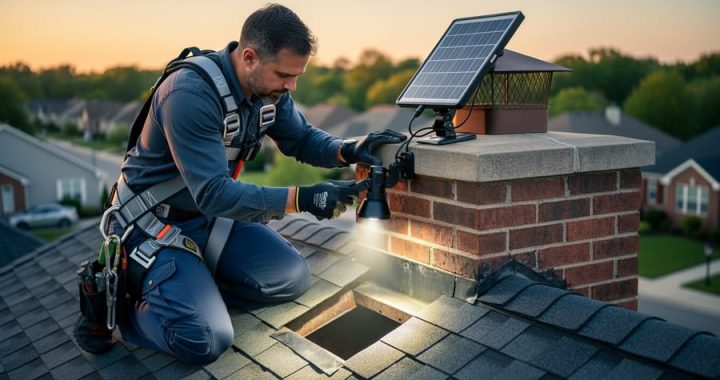
If Public and Private Sector Companies and Organizations across the US retrofit with LED Tubes, LED Fixtures, and LED Lamps, the Energy Saving Performance is outstanding. The Data and Calculations below illustrate the Sample Performance of LEDs across America for this Property Type:
| US Census DATA | Property Type | Office | Public Assembly |
| # of Buildings in the US | 736,000 | 305,000 | |
| Total Square Footage | 12,044,000,000 | 4,393,000,000 | |
| Run Time (Hours / Week) | 53 | 54 | |
| Run Time (Hours / Year) | 2,756 | 2,808 | |
| _________________________ | _____________________________________ | _________________________ | _________________________ |
| ASHRAE DATA | Baseline Watts / sq. ft. | 1.0 | 1.1 |
| _________________________ | _____________________________________ | _________________________ | _________________________ |
| Industry Avg. | 50% Savings with LEDs | 0.5 | 0.55 |
| _________________________ | _____________________________________ | _________________________ | _________________________ |
| Consumption Calculatitions | Current Watts Used | 12,044,000,000 | 4,832,300,000 |
| Current Annual kWh Used | 33,193,264,000 | 13,569,098,400 | |
| Avg. US Cost / kWh | $0.11 | $0.11 | |
| Current Annual Cost of Lighting | $3,651,259,040 | $1,492,600,824 | |
| _________________________ | _____________________________________ | _________________________ | _________________________ |
| SAVINGS with LEDs | Annual kWh Saved with LEDs | 16,596,632,000 | 6,784,549,200 |
| Annual $ Savings with LEDs | $1,825,629,520 | $746,300,412 | |
| 7 year $ Saved with LEDs |
$12,779,406,640 | $5,224,102,884 | |
| _________________________ | _____________________________________ | _________________________ | _________________________ |
| The Environmental Impact | lbs of CO2 Saved per kWh | 1.3 | 1.3 |
| Annual lbs of CO2 Saved with LEDs | 21,575,621,600 | 8,819,913,960 | |
| 7 year lbs of CO2 Saved with LEDs | 151,029,351,200 | 61,739,397,720 | |
| 7 year Tons of CO2 Saved with LEDs | 75,514,676 | 30,869,699 | |
| Vehicles (SUVs) Taken Off the Road | 1,797,968 | 734,993 | |
| _________________________ | _____________________________________ | _________________________ | _________________________ |
If Public and Private Sector Companies and Organizations across the US retrofit with LED Tubes, LED Fixtures, and LED Lamps, the Energy Saving Performance is outstanding. The Data and Calculations below illustrate the Sample Performance of LEDs across America for this Property Type:
| US Census DATA | Property Type | Public Order and Safety | Parking Garages |
| # of Buildings in the US | 72,000 | 40,000 | |
| Total Square Footage | 1,168,000,000 | 1,440,000,000 | |
| Run Time (Hours / Week) | 95 | 168 | |
| Run Time (Hours / Year) | 4,940 | 8,736 | |
| _________________________ | _____________________________________ | _________________________ | _________________________ |
| ASHRAE DATA | Baseline Watts / sq. ft. | 1.0 | 0.3 |
| _________________________ | _____________________________________ | _________________________ | _________________________ |
| Industry Avg. | 50% Savings with LEDs | 0.5 | 0.15 |
| _________________________ | _____________________________________ | _________________________ | _________________________ |
| Consumption Calculatitions | Current Watts Used | 1,168,000,000 | 432,000,000 |
| Current Annual kWh Used | 5,769,920,000 | 3,773,952,000 | |
| Avg. US Cost / kWh | $0.11 | $0.11 | |
| Current Annual Cost of Lighting | $634,691,200 | $415,134,720 | |
| _________________________ | _____________________________________ | _________________________ | _________________________ |
| SAVINGS with LEDs | Annual kWh Saved with LEDs | 2,884,960,000 | 1,886,976,000 |
| Annual $ Savings with LEDs | $317,345,600 | $207,567,360 | |
| 7 year $ Saved with LEDs |
$2,221,419,200 | $1,452,971,520 | |
| _________________________ | _____________________________________ | _________________________ | _________________________ |
| The Environmental Impact | lbs of CO2 Saved per kWh | 1.3 | 1.3 |
| Annual lbs of CO2 Saved with LEDs | 3,750,448,000 | 2,453,068,800 | |
| 7 year lbs of CO2 Saved with LEDs | 26,253,136,000 | 17,171,481,600 | |
| 7 year Tons of CO2 Saved with LEDs | 13,126,568 | 8,585,741 | |
| Vehicles (SUVs) Taken Off the Road | 312,537 | 204,422 | |
| _________________________ | _____________________________________ | _________________________ | _________________________ |
The Better Building Initiative companies in this category are highlighted below. We applaud their leadership in Energy Reduction:
Atlanta, GA:
Sustainability and/or Energy Reduction Leadership:
http://www.atlantaga.gov/index.aspx?page=18 and http://www.sustainableatlanta.org/
The City of Atlanta has united with the metropolitan business and nonprofit community to implement a comprehensive energy upgrade of participating buildings across Atlanta, with a primary focus on a 400-block area in the city's Downtown central business district. Working with the Department of Energy, the goal of the Atlanta Better Buildings Challenge is to improve energy and water performance a minimum of 20% by 2020. Project partners will work with banks, funds, Energy Service Companies (ESCOs), and others to enable substantive retrofits of downtown university, healthcare, municipal, and commercial buildings. The effort is already underway with a benchmarking and assessment initiative of 20 Phase One buildings, totaling over 16 million square feet. With LED tubes that are Made in American with Domestic and Imported components according to Buy American ARRA standards, Atlanta can save 50% or more on its electricity for lighting and also help create the jobs that support American Energy Independence.
Source: http://www.atlantaga.gov/index.aspx?page=18
The New Politics of Sustainability Atlanta is at the center of one of the fastest growing regions in the country and Mayor Kasim Reed wants it to lead the region into a new era of sustainability. In an exclusive interview with Sustainable Communities magazine, he talks about the new politics of sustainability, and why he knows he will prevail. Request a copy of the Sustainable Communities magazine article.
Power to Change: The City's Sustainability Plan: During his first year in office, Mayor Kasim Reed set the goal for Atlanta to become one of the top ten sustainable cities in the nation. Achieving this goal will improve the quality of life of Atlanta’s citizens by enhancing the environment, while at the same time, supporting job creation and long-term economic growth. Mayor Reed has committed to continual improvement in sustainability practices and to lead by example through the development and implementation of policies and activities that support environmental sustainability. To this end, Atlanta’s Office of Sustainability is working with all city departments in implementing the “Power to Change” plan launched in October 2010.
Denver, CO:
Sustainability and/or Energy Reduction Leadership:
http://www.denvergov.org/Sustainability/tabid/437509/Default.aspx and http://www.greenprintdenver.org/
The City and County of Denver has made energy efficiency a core tenant of the Greenprint Denver sustainability initiative. Through its partnership with the Better Buildings Challenge, the City has committed to reducing energy use by 20 percent by 2020 across its building portfolio, which totals more than 6 million square feet. Mayor Michael B. Hancock plans to use the City's leadership to challenge private building owners, the non-profit sector, and schools to pledge similar energy reduction goals. Denver will undertake a number of energy savings projects within its own buildings, educate external partners through outreach programs, and showcase significant projects throughout the community, including a deep retrofit of the Alliance Center and the Living City Block program. With LED tubes that are Made in American with Domestic and Imported components according to Buy American ARRA standards, Denver can save 50% or more on its electricity for lighting and also help create the jobs that support American Energy Independence.
Leadership: Mayor Michael B. Hancock
Source: http://www.denvergov.org/Sustainability/tabid/437509/Default.aspx
We often hear the term sustainability tossed around, particularly during conversations about transportation and development. What does it really mean and how can we make sure it is achievable?
“Greenprint Denver is a pragmatic approach to determine City [sustainability] objectives that can be tracked, measured, refined and reported.”
Sustainability is creating and finding ways to keep an ecological balance, using our resources without depleting or destroying them. In terms of everyday actions, it means finding ways to limit our impact on our environment.
As part of the South Broadway, Arizona to Exposition and I-25 Interchange Project, we are finding practical ways to integrate into the design, implementation and construction, guidelines identified in Greenprint Denver. Greenprint Denver, introduced to the citizens of Denver in 2006, outlines seven key elements and broad-based goals to maintaining and improving our environment include:
Energy: Reduce economic, social and environmental impacts of unnecessary energy use.
Air and Emissions: Reduce green house gas emissions, prepare for the local effects of global climate change and prevent the public health impacts of poor air quality.
Water: Conserve Denver’s drinking water resources and improve the water quality of streams and lakes to be safe for recreational use.
Land: Protect, care for and enhance the quality of Denver’s landscapes.
Transportation: Create a vibrant, livable urban center that is pedestrian friendly, supports mass transit and decreases reliance on cars.
Waste: Reduce costs, consumption of raw materials, and energy use through thoughtful purchasing, waste reduction, and recycling of existing roadway materials.
Community: Building a sustainable community together, today.
A sustainability matrix was developed to track the goals being pursued, the strategies for how they will be achieved, baseline conditions, responsibilities, the plan for implementation, cost implications and operations and maintenance considerations.
Greenprint Denver further identifies specific measurable and achievable goals that are part of the overall comprehensive vision for Denver’s future.
District of Columbia:
Sustainability and/or Energy Reduction Leadership:
Through its partnership with the Better Buildings Challenge, the District of Columbia is committing to a multi-pronged action plan to reduce energy consumption in over 90 million square feet of city and privately held buildings in the downtown core by at least 20 percent by 2020. The District has set forth an energy efficiency and renewable energy agenda and has invested in long-term incentive programs that will support a public-private collaboration and ensure that Washington is a national leader in the energy efficiency economy. The District has made a series of commitments on its own 300+ buildings that will demonstrate leadership from the top, among them completing energy audits, implementing a showcase retrofit and investing at least $4 million in the next five years on energy efficiency measures. The District has long-term commitment to energy efficiency programs and policies that support the Better Buildings Challenge, including a benchmarking and disclosure regulation for over 3,000 private commercial buildings, making the Sustainable Energy Utility (SEU) a one-stop shop for the District’s energy efficiency solutions and resources and the creation of energy efficiency financing tools targeted at commercial building owners. These financing tools and products will provide at least $225 million in competitively-priced capital to commercial owners over the next nine years to fund energy efficiency improvements. The DowntownDC Business Improvement District (“BID”) and the DowntownDC ecoDistrict have accepted the Better Buildings Challenge in partnership with the District of Columbia and Mayor Vincent Gray. With LED tubes that are Made in American with Domestic and Imported components according to Buy American ARRA standards, District of Columbia can save 50% or more on its electricity for lighting and also help create the jobs that support American Energy Independence.
Leadership: Mayor Vincent Gray and Christophe A.G. Tulou, Director, District Department of the Environment
Since May 2010, Christophe A. G. Tulou has served as Director of the District Department of the Environment (DDOE), the leading authority on energy and environmental issues affecting the District of Columbia. In this capacity, he leads a workforce of approximately 300 environmental professionals and oversees the operations of four administrations, 13 divisions, and 14 branches that work collaboratively to protect the environment and conserve the natural resources of the District of Columbia. More… http://ddoe.dc.gov/biography/christophe-ag-tulou
Sustainability Awards: http://ddoe.dc.gov/release/2012-mayor%E2%80%99s-sustainability-awards
Los Angeles, CA:
Sustainability and/or Energy Reduction Leadership:
http://www.lacity.org/index.htm
Los Angeles Mayor Antonio Villaraigosa and the City of Los Angeles are participating in the Better Buildings Challenge by showcasing the LA Commercial Building Performance Partnership. This program provides energy audits and a suite of creative financing solutions to support owners of commercial property implement energy efficiency upgrades. Los Angeles will set a goal of 20% minimum savings on projects supported through the program, and the city will work with and recognize private sector property owners who make equal commitments of their own to reduce energy consumption. Los Angeles expects approximately 30 million square feet of commercial property to be audited, using $3.2 million in Recovery Act funds with the goal of driving at least $25 million in total investment during their partnership in the Better Buildings Challenge. Since June 2011 the LACBPP has initiated energy audits encompassing over 25 million square feet of commercial space -- from small neighborhood retailers to downtown skyscrapers -- and is developing a directory of capital providers to facilitate access to project funding options. With LED tubes that are Made in American with Domestic and Imported components according to Buy American ARRA standards, Los Angeles can save 50% or more on its electricity for lighting and also help create the jobs that support American Energy Independence.
Leadership: Mayor Antonio R. Villaraigosa
Source: http://www.lacity.org/Mayor/stellent/groups/electedofficials/@myr_ch_contributor/documents/contributor_web_content/lacity_004615.pdf
Office of the Mayor City of Los Angeles
ANTONIO R. VILLARAIGOSA
FOR IMMEDIATE RELEASE Parita Shah
October 25, 2007 (213) 978-0741
MAYOR VILLARAIGOSA APPLAUDS NEW STATE GRANT TO
SUPPORT CITY SUSTAINABILITY PROJECT
Funds will supplement City’s Cornfield Arroyo Seco Specific Plan
LOS ANGELES — Mayor Antonio Villaraigosa today praised the California
Pollution Control Financing Authority (CPCFA) for awarding Los Angeles
$350,000 to supplement City plans for a unique smart growth and conservation
project near Downtown Los Angeles. State Treasurer Bill Lockyer announced a
total of $2.5 million in grants to cities and counties across the state on
Wednesday.
“These funds granted by the California Pollution Control Financing Authority will
help us meet our goal of becoming the cleanest and greenest big city in the
nation,” said Mayor Villaraigosa. “Los Angeles is making an unprecedented
investment in sustainability, and this grant will supplement the Cornfield/Arroyo
Seco Specific Plan, which aims to restore the Los Angeles River, beautify our
public parks and create housing along transit corridors. I’m glad to accept this
grant on behalf of the City and consider it a major recognition of our efforts to
reduce pollution.”
The City of Los Angeles will use the grant funding to perform sustainability
enhancements to a 400-acre area northeast of downtown that encompasses a
new state historic park, two light-rail stations, an industrial neighborhood, a public
housing project, the Los Angeles River and I-5 freeway. The proposed
enhancements include development of river restoration opportunities and an
economic assessment to identify potential business, job and educational
opportunities.
The Cornfield/Arroyo Seco Specific Plan is unique in that it makes Los Angeles
the only municipality in the nation that is establishing a pilot project that attempts
to align an entire community with Leadership in Energy and Environmental
Design (LEED) standards.
“California’s growth is vastly outpacing the ability of our dated infrastructure to
serve our people and communities,” said California State Treasurer Bill Lockyer.
“To effectively address this need, we need to plan wise and build without harming
the environment. The projects funded by these grants will improve
neighborhoods, spur economic development and protect the environment. They
provide excellent examples for communities across the state.”
Other grant recipients included Alameda County, and the cities of Fort Bragg,
Willits, Livingston, Compton, and San Diego. The CPCFA awarded the funds
under the Sustainable Communities Grant and Loan Program (SCGL), which the
CPCFA administers. The grantees were selected from a total of 68 applicants.
Chaired by Lockyer as Treasurer, the CPCFA created the SCGL program in
2000 to provide financial assistance to cities and counties in their community
planning and development efforts. The SCGL Program makes available $2.5
million each year. Awardees are eligible for a maximum of $500,000, which can
include up to $350,000 in grant funding and $150,000 in loan assistance.
SCGL applicants must demonstrate that their plans or projects reduce pollution
hazards and environmental degradation; assist in the revitalization of one or
more neighborhoods that suffer from high unemployment levels, low-income
levels or high poverty; and promote infill development.
“When it comes to sustainable planning, Los Angeles is setting the standard for
cities across the state, the nation and the world,” said Mayor Villaraigosa. “By
adopting innovative strategies to increase the use of public transportation,
conserve energy and build green, we are reducing pollution and creating a more
healthy and livable city.”
Sacramento, CA:
Sustainability and/or Energy Reduction Leadership: http://www.cityofsacramento.org/
As the capital of California, Sacramento’s vision is to transform itself into the greenest region in the country and become a hub for clean technology through strengthening the regional economy, creating green jobs, adopting innovative policies and raising the region’s Green IQ. As a Better Buildings Challenge Community Partner, the city, through its Property Assessed Clean Energy (PACE) program, has committed to reducing energy use 20% by 2020 in over 12 million square feet of building space through energy efficiency improvements. The PACE program will tap private investment to stimulate retrofitting of commercial buildings throughout Sacramento. In parallel, the City of Sacramento is establishing programs in support of the region’s “Greenwise Action Plan” and is creating a suite of services for the commercial sector. With LED tubes that are Made in American with Domestic and Imported components according to Buy American ARRA standards, Sacramento can save 50% or more on its electricity for lighting and also help create the jobs that support American Energy Independence.
Leadership: Mayor Kevin Johnson
Source: http://www.cityofsacramento.org/generalservices/sustainability/program.cfm
Sustainability Program Areas:
|
Water Conservation |
The City is here to help with water conservation. Please follow this link to read more about water wise house calls and new water conservation ordinance. |
|
|
Green Building Program |
|
Green Building is a "Whole-Systems" approach to designing and constructing building that use resources efficiently. |
|
Climate Action plan |
|
The City of Sacramento is developing a Climate Action Plan (CAP) that will identify how the City and the broader community can reduce greenhouse gas emissions (GHG). The CAP will also identify steps we need to take to prepare and adapt to climate change. |
|
Renewable Energy |
|
The City of Sacramento and the greater Sacramento region have a longstanding commitment to solar energy. Please follow this link to read more about Sacramento' designation as a Solar America City. |
|
Recycling & Composting |
|
Follow this link to learn how to compost with worms at work or home. |
|
Parks |
|
The City's Department of Parks & Recreation manages more land assets than any other City department, and therefore feels it needs to be a leader in our City on sustainability. It has developed a departmental level Sustainability Plan (the first city department to do so). |
|
Internal City Operations |
This Administrative Policy sets forth the policies departments will comply with for sustainable operations of all city facilities and operations. |
|
|
Urban Forest |
|
Urban Forestry Service provides tree care service for the City's public trees. Public trees include street trees (tree within planter strips or the area between the sidewalk and the curb), trees in city parks, and trees on city property. Urban Forestry Service, under the authority of the Sacramento city Code, also protects heritage trees on both public and private property. |
|
Sacramento Convention Center |
|
Please follow this link to learn more about the Convention Center's green features. |
|
Local Food Supply |
|
Parks & Recreation Department operates five permanent public community gardens that allow residents to grow their own food. More are coming. To locate a community garden near you, please follow this link. |
|
Bikeway and Pedestrian Program |
|
The City of Sacramento is committed to improving its roadway network to provide access for all modes of transportation including bikes and pedestrians. Please follow this link for more information on the Bikeway and Pedestrian Program. |
Green Building
Source: http://www.cityofsacramento.org/dsd/building/green-building/
Green Building is a “Whole-Systems” approach to designing and constructing buildings that use resources efficiently. Special consideration is given to a building's site, usage of water, energy and material resources, and indoor air quality.
Why build green?
Green buildings can save money on energy, water operation and maintenance costs. Green buildings often enhance residential health and result in greater worker productivity through improved air quality and day lighting.
Is it more expensive to build green?
The increased cost of building green is 3-5% depending on design features, building types and location. In some projects, where green measures are considered early and fully integrated into the design, there is no increased cost.
Seattle, WA:
Sustainability and/or Energy Reduction Leadership:
http://www.seattle.gov/environment/
The Seattle 2030 District is a nonprofit organization of more than 60 civic leaders, including building owners and professionals, utilities, Architecture2030, the City of Seattle, and King County, creating the first large-scale, high performance building district in the country. The 2030 District follows along an existing history of progressive energy efficiency action by the city, and includes a set of aggressive reduction goals for building energy use, water use, and greenhouse gases. By committing more than 23 million square feet of building space to the Better Buildings Challenge, the Seattle 2030 District will continue to grow as a model of public-private collaboration that will reduce energy use, generate local economic activity, and provide others with a roadmap for a sustainable future. With LED tubes that are Made in American with Domestic and Imported components according to Buy American ARRA standards, Seattle can save 50% or more on its electricity for lighting and also help create the jobs that support American Energy Independence.
Leadership: Mayor Mike McGinn's
The Office of Sustainability and Environment has been hard at work coordinating and developing policies and initiatives to protect Seattle's environment for over 10 years now.
We don't do this work alone though; many – in fact, most – departments at the City have a role in making Seattle a greener, more sustainable place for everyone. This site is organized to help you find out about all the great environmental programs throughout the city, as well as the programs managed out of our office.
And of course, we know that Seattle's residents are very interested in taking actions that help the environment, so we've included information on how you can “lower your impact” throughout this site.
State of Iowa Department of Administrative Services:
Sustainability and/or Energy Reduction Leadership: http://das.iowa.gov/ and http://das.gse.iowa.gov/lease_space/EO17_guidance.pdf
The Iowa Department of Administrative Services (DAS) is committed to identifying and implementing cost effective energy management improvements in public and non-profit facilities in Iowa. As a Better Buildings Challenge Partner, the DAS has committed to reducing energy consumption in over 17 million square feet of buildings by at least 20 percent by 2020. This commitment includes reducing energy in the 2.4 million square foot Capitol Complex by 20 percent by 2015. The DAS also manages the Iowa Energy Bank, a stimulus-funded $12.5 million revolving loan program to finance energy saving programs in state and local governments, schools, hospitals and colleges. As part of their Better Buildings Challenge commitment, the Energy Bank will finance projects that reduce energy consumption at least 20 percent. With LED tubes that are Made in American with Domestic and Imported components according to Buy American ARRA standards, State of Iowa can save 50% or more on its electricity for lighting and also help create the jobs that support American Energy Independence.
State of Minnesota:
Sustainability and/or Energy Reduction Leadership:
The Minnesota Department of Commerce works to provide state residents with the resources to make smart decisions about energy use in public and private buildings. Energy efficiency and conservation are the first options for reducing energy use and costs in Minnesota and the state recently passed Executive Order 11-12 directing all state agencies to set a goal of a 20% reduction in state energy consumption. In addition, Senator Franken has launched Back to Work Minnesota, an initiative to unlock financing for commercial and public buildings retrofits to boost energy savings and jobs across the state. As a partner in the Better Buildings Challenge, the State will be working to achieve these goals and improve energy efficiency across 30 million square feet of buildings. With LED tubes that are Made in American with Domestic and Imported components according to Buy American ARRA standards, State of Minnesota can save 50% or more on its electricity for lighting and also help create the jobs that support American Energy Independence.